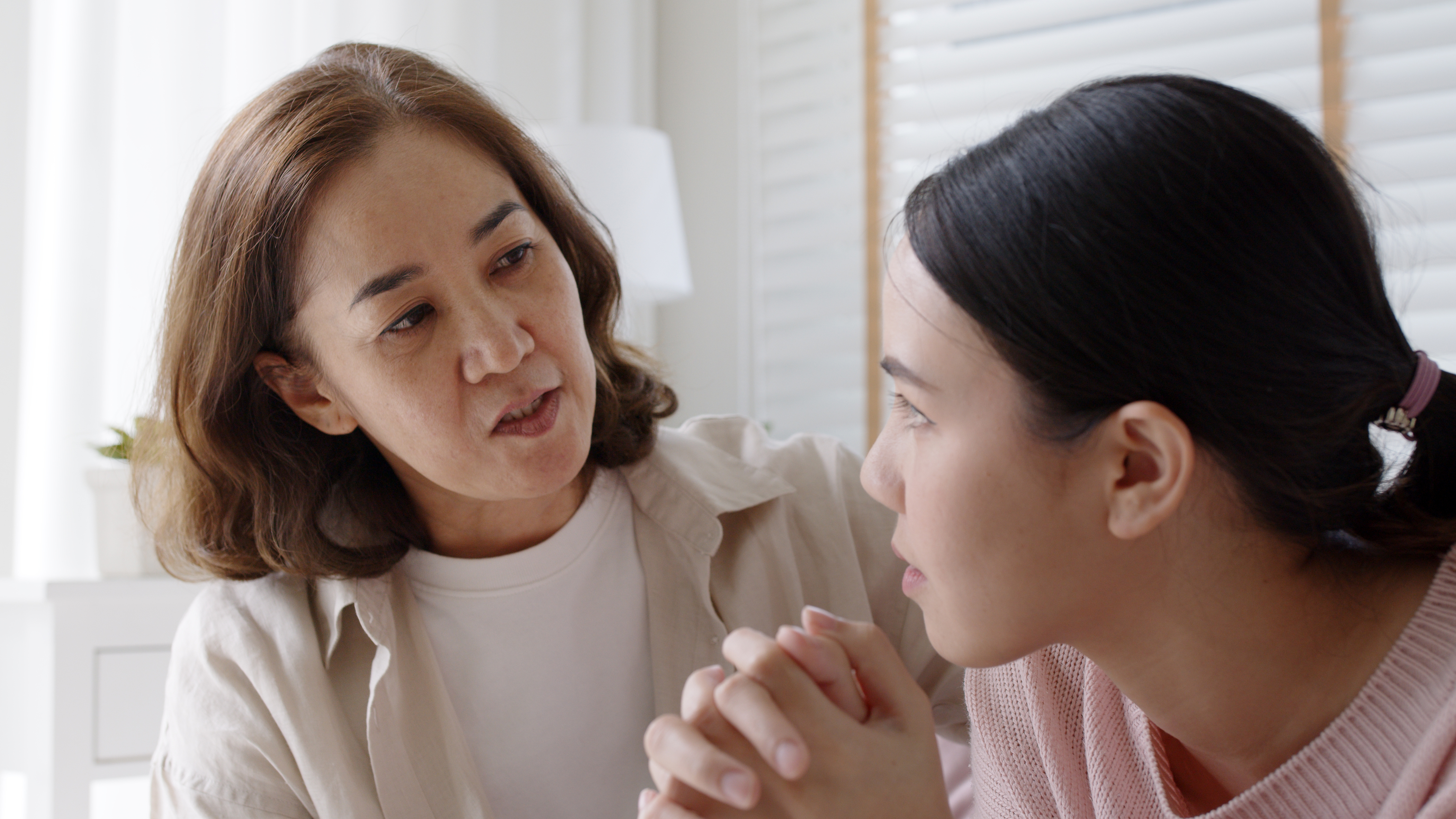
Listening to Your Bullied Child: Why Feeling Heard Matters
"Knowledge speaks, but wisdom listens." - Jimi Hendrix
When a child tells an adult they are being bullied, they are doing something incredibly vulnerable. For many children, speaking up happens only after weeks or even months of emotional pain, fear, shame, or isolation.
According to StopBullying.gov, one in five students report being bullied each year between the ages of 12 and 18. Yet many young people never tell an adult at all. Research continues to show that children often stay silent because they fear retaliation, embarrassment, not being believed, or adults making the situation worse.
That is why listening matters so deeply.
For a child experiencing bullying, one caring adult who responds with calmness, empathy, and support can make a tremendous difference. Feeling heard and emotionally safe helps children regain a sense of connection and stability during an experience that often leaves them feeling powerless.
Children Need Connection Before Solutions
As adults, our instinct is often to immediately fix the problem. We may feel anger, panic, frustration, or urgency when we hear our child has been hurt. While these feelings are understandable, children first need emotional connection before they are ready to problem-solve.
Listening is not passive. It is one of the most powerful ways we communicate safety and support.
When a child talks about bullying, try to:
• Put away distractions like phones or computers
• Maintain calm body language and tone
• Listen without interrupting
• Avoid rushing to conclusions
• Ask open-ended questions
• Validate emotions instead of minimizing them
Simple responses such as:
• “I’m really glad you told me.”
• “That sounds incredibly painful.”
• “You don’t deserve to be treated that way.”
• “We will work through this together.”
• "You did nothing to deserve this."
....can help a child feel believed, supported, and less alone.
Many Children Show Signs Before They Use Words
Not every child will directly say, “I’m being bullied.” Sometimes children communicate distress through changes in behavior, mood, sleep, appetite, school avoidance, anxiety, irritability, headaches, stomachaches, declining grades, or withdrawal from activities they once enjoyed.
Children who are bullied often carry tremendous emotional weight silently. Some may worry about disappointing adults. Others fear being labeled a “tattletale” or believe nothing will change.
This is why consistent emotional check-ins matter even when children seem “fine.” Creating regular opportunities for conversation helps children learn that home is a safe place to bring difficult emotions and experiences.
How Adults Respond Shapes What Happens Next
A child who feels dismissed, blamed, or overwhelmed by an adult’s reaction may shut down emotionally and become less likely to seek support in the future.
At a time when youth mental health concerns continue to rise, children need emotionally safe adults more than ever. The Centers for Disease Control and Prevention (CDC) reported in 2023 that nearly 40% of high school students experienced persistent feelings of sadness or hopelessness. The CDC also emphasizes that supportive relationships with trusted adults can serve as a critical protective factor for youth mental health.
Supportive responses include:
• Remaining calm
• Thanking the child for trusting you
• Expressing empathy
• Collaborating on next steps together
• Continuing to check in over time
Children do not need adults to have every answer immediately. They need to know they will not carry the burden alone.
Listening Builds Resilience
Bullying can deeply impact a child’s emotional well-being, self-worth, and sense of safety. Supportive adult relationships are one of the strongest protective factors for recovery. When children feel heard, validated, and supported, they are more likely to regain confidence, develop healthy coping skills, and move forward from painful experiences.
Sometimes the most powerful thing we can say to a child is:
“I believe you. I’m here. We’ll face this together.”


